Solar panels are a long-term investment designed to deliver consistent energy savings for decades. However, many homeowners are unsure what actually happens during a professional solar panel cleaning visit and how it differs from DIY washing. Understanding the process helps set expectations, highlights the value of expert care, and explains why choosing a trusted residential solar panel cleaning service can make a measurable difference.
In this guide, we’ll walk you through each stage of a professional visit—from initial assessment to post-cleaning checks—so you know exactly what to expect when booking solar panel cleaning with Go Dynamic Group.
1. Pre-Visit Assessment and Safety Planning
A professional solar panel cleaning visit begins before any water touches your roof. Experienced technicians start with a visual inspection of your property and solar system. This includes checking:
- Roof pitch and access points
- Panel layout and mounting system
- Visible debris, staining, or bird droppings
- Signs of damage, loose wiring, or cracked panels
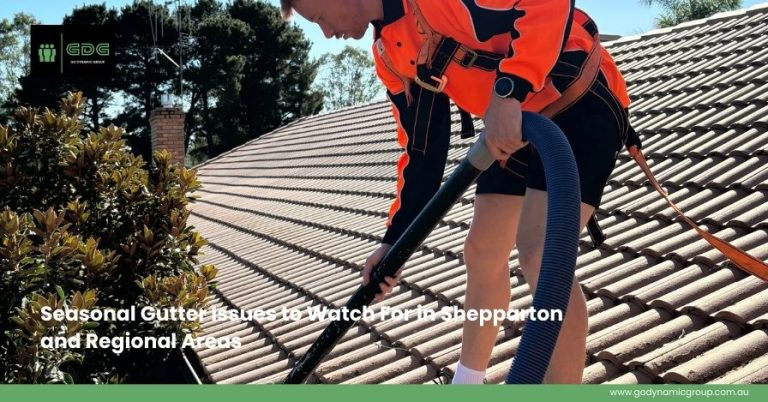
Safety is a top priority. Professionals use appropriate fall protection, harnesses, and access equipment, ensuring the job is completed without risk to your home or the technicians. This step alone is a major advantage over DIY methods, which often involve unsafe ladder use or walking on roofs without proper training.
2. Identifying the Type of Contamination
Not all dirty solar panels are the same. During the assessment, technicians identify what’s affecting your panels’ performance. Common contaminants include:
- Dust and dirt buildup from wind and traffic
- Pollen and organic residue
- Bird droppings and insect debris
- Lichen, algae, or mold in damp areas
Knowing the type and severity of buildup allows the team to select the correct cleaning approach. A professional solar panel cleaning service never uses harsh chemicals or abrasive tools that could scratch the glass or damage protective coatings.
3. Use of Specialist Equipment and Purified Water
One of the biggest differences between DIY washing and a residential solar panel cleaning service is the equipment used. Professionals rely on:
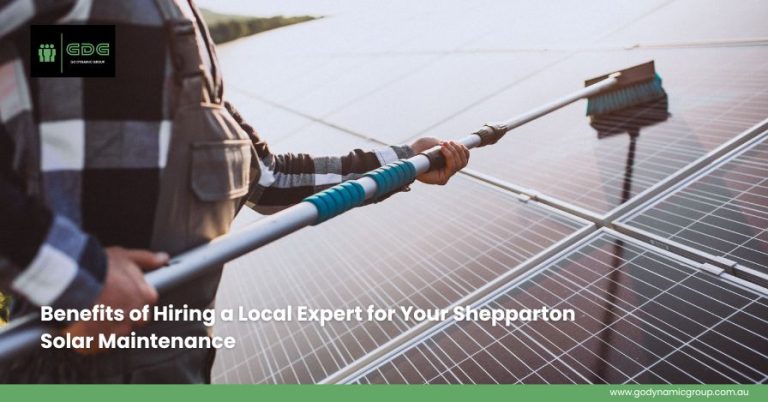
- Extendable, soft-bristle brushes designed for solar glass
- Deionised or purified water systems
- Low-pressure rinsing techniques
Purified water is critical because it leaves no mineral residue or streaks behind. Tap water often contains minerals that dry on the panel surface, reducing efficiency and attracting more dirt over time. Professional-grade systems ensure a spotless, residue-free finish.
4. The Cleaning Process Explained
Once everything is set up, the actual solar panel cleaning process begins. Typically, this involves:
- A gentle pre-rinse to loosen surface dirt
- Soft brushing to remove stubborn debris
- A final purified water rinse for a clear finish
Technicians clean each panel individually, paying attention to edges and corners where grime tends to accumulate. The process is thorough yet gentle, protecting both the panels and the roof structure beneath them.
5. Post-Cleaning Results and Performance Expectations
After a professional solar panel cleaning, panels typically look visibly clearer and brighter. More importantly, many homeowners notice improved energy output, especially if panels were heavily soiled beforehand.
While results vary depending on location and environmental conditions, professional cleaning helps:
- Restore lost efficiency
- Maintain consistent energy production
- Extend the lifespan of your solar system
For a deeper understanding of how environment impacts cleaning needs, you can link to our existing blog, Why Cleaning Frequency Varies Based on Location and Weather.
6. Advice on Cleaning Frequency and Ongoing Care
Before leaving, professionals often provide guidance on how often your panels should be cleaned. Factors influencing frequency include:
- Proximity to trees or farmland
- Local weather patterns
- Roof angle and panel orientation
- Presence of birds or nesting areas
This tailored advice ensures you’re not over-cleaning or under-maintaining your system. It also aligns with recommendations discussed in How Often Do Solar Panels Need to Be Cleaned?, another useful internal resource.
7. Why Choose a Professional Service Over DIY?
While it may be tempting to wash panels yourself, professional services offer clear advantages:
- Reduced risk of injury or roof damage
- Correct tools and purified water
- Compliance with manufacturer warranty guidelines
- Thorough, consistent results
DIY methods often miss hidden grime or cause micro-scratches that reduce efficiency over time. A professional approach protects both performance and long-term value.
8. Trusted Standards and Industry Best Practices
Professional solar cleaners follow industry best practices recommended by reputable organisations and manufacturers. For additional credibility and learning, homeowners can explore external resources such as:
- Clean Energy Council (Australia)
- Solar Energy Industries Association (SEIA)
- Manufacturer maintenance guides from brands like LG Solar or REC
These sources reinforce the importance of safe, non-abrasive cleaning methods and regular maintenance.
Final Thoughts: Confidence in Every Visit
Knowing what to expect from a professional solar panel cleaning visit helps homeowners make informed decisions about maintaining their solar investment. From careful inspection and safe access to specialist equipment and expert advice, a professional residential solar panel cleaning service delivers far more than a quick wash.
When working with Go Dynamic Group, our goal is to ensure your system operates efficiently, safely, and reliably for years to come. Regular solar panel cleaning, carried out by experienced professionals, is a simple step that protects performance and maximises your return on investment.